What Is BLESS Token? Empowering the Community Through Gratitude

Key Takeaways
• BLESS token embodies gratitude by rewarding community contributions and funding public goods.
• The token model leverages low-cost blockspace and on-chain social attestations for practical micro-rewards.
• Key features include transparent supply, community governance, and retroactive funding models.
• Due diligence is essential when interacting with any BLESS token; verify contracts and assess security.
• Secure storage and governance participation are critical for long-term holders of BLESS.
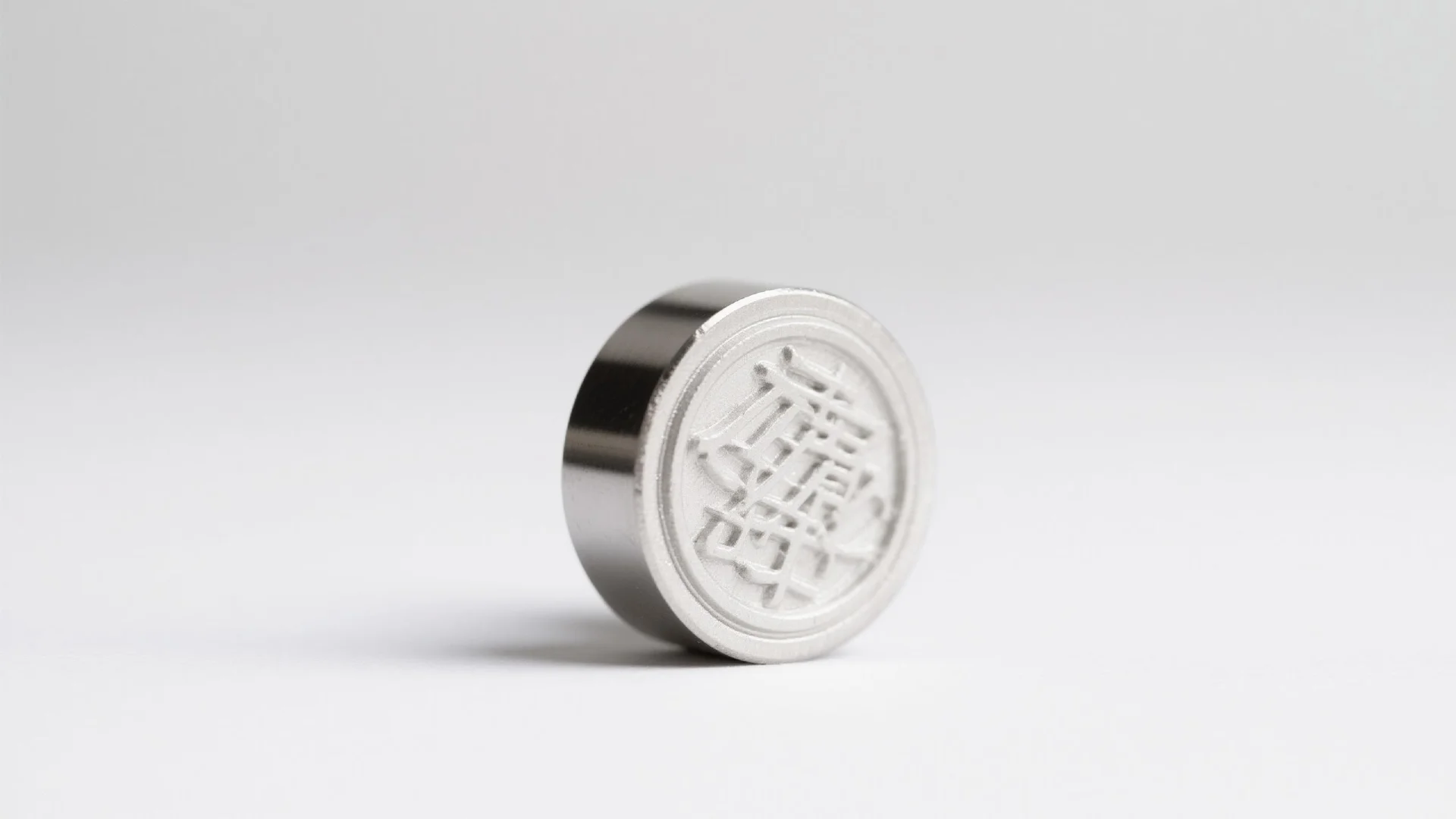
Gratitude is a powerful social force. On-chain, it can be quantized, programmable, and transparent. BLESS token aims to embody this: a community-first asset that rewards positive-sum behavior—thanking contributors, funding public goods, and amplifying the people who make crypto better. This article explores how a gratitude-driven token model can work, what to look for before you buy, and how to secure it safely.
Note: Projects named “BLESS” may exist on different chains with different contracts, tokenomics, and governance. Always verify the official contract address via trusted sources before interacting.
Why a “gratitude token” now?
- Low-cost blockspace and L2s have made micro-rewards and tipping practical, enabling community tokens to flow through everyday interactions. See real-time network metrics and fees on L2Beat for context on rollup adoption and throughput growth. Explore rollups on L2Beat.
- On-chain social and attestations are maturing, letting communities express trust, reputation, and “thank yous” programmatically. Farcaster’s open protocol encourages developer-built social apps, bots, and composable experiences that can integrate tipping or token gating. Read Farcaster docs.
- Retroactive funding models have shown that paying for impact after the fact can work, aligning rewards with public good outcomes. Optimism’s RetroPGF provides a canonical example of this mechanism. Learn about RetroPGF.
A gratitude-focused token like BLESS can build on these primitives to reinforce constructive behavior while keeping incentives transparent and auditable on-chain.
What is BLESS token (conceptually)?
BLESS is typically described as a community token centered on gratitude and positive contribution. While implementations will vary, a robust gratitude-token design often includes:
- Transparent supply and fair distribution to early contributors, creators, and community helpers.
- Utility aligned with social value: tipping, curation boosts, recognition badges, and governance.
- Open, verifiable rules on issuance, treasury use, and contributor rewards.
If you encounter a specific BLESS token, confirm the chain and contract address on an official block explorer before proceeding. For EVM chains, use Etherscan or the relevant chain explorer; for Solana, verify via Solscan.
How a gratitude token can work
-
Identity and reputation
- Attestations: Communities can issue “thank you” attestations to contributors using the Ethereum Attestation Service (EAS). These can qualify contributors for periodic BLESS distributions without exposing private data. Explore EAS.
- Badges: Non-transferable badges (soulbound-style NFTs) can serve as an immutable “gratitude trail,” complementing fungible BLESS incentives. See Ethereum’s overview of token standards for design trade-offs. Token standards on ethereum.org.
-
Distribution
- Retroactive rewards: Periodically allocate BLESS to people who delivered measurable impact, following a RetroPGF-style rubric. Optimism’s RetroPGF.
- Community nominations: Any holder can nominate others for gratitude rewards, with attestations used to prevent sybil abuse.
-
Utility
- Tipping and microgrants: Send BLESS to recognize helpful posts, PRs, tutorials, or support. Low fees on rollups make micro-tips viable. Learn how rollups reduce costs.
- Curation boosts: Use BLESS to signal quality—e.g., stake on good content, funding rounds, or project proposals.
- Governance: Holders vote on treasury allocations, grant recipients, and community rules via tools like Snapshot. Snapshot governance.
-
Treasury and safety
- Multisig custody: Store community funds in a reputable multisig like Safe, with role separation and time locks for upgrades. Safe (Multisig) overview.
- Open-source contracts: Use audited, battle-tested components (e.g., OpenZeppelin) for ownership, pausing, and timelock controls. OpenZeppelin Contracts.
2025 context: adoption, UX, and gasless onboarding
- Account abstraction (ERC‑4337) continues to improve UX, enabling features like sponsored transactions (paymasters) and session keys for smoother onboarding—useful for tipping and micro-rewards. Account abstraction on ethereum.org.
- MEV-aware routing and private order flow reduce sandwich risk when swapping community tokens on DEXs; users should still understand slippage and execution risks. MEV explained.
These building blocks make a gratitude economy more practical than ever: low fees, better identity, improved execution, and safer governance.
Due diligence: how to evaluate any BLESS token you find
Before buying or interacting, follow a checklist:
-
Contract verification
-
Ownership and upgrades
- Is ownership renounced, or is an upgrade path controlled by a multisig with timelocks?
- Review admin roles. OpenZeppelin’s docs can help you interpret common patterns. OpenZeppelin security patterns.
-
Liquidity and trading
- Inspect decentralized exchange liquidity: pool size, depth, and lock status. For EVM-based assets, Uniswap’s analytics provide pair-level data and historical volume. Uniswap Info.
- Be cautious of “honeypot” mechanics and exorbitant taxes; tools like Token Sniffer can surface red flags. Always validate manually. Token Sniffer.
-
Distribution and emissions
- Look for a clear plan: community allocation, contributor rewards, vesting, and whether VC or insider allocations exist.
- Avoid unclear token taxes or opaque emission schedules.
-
Security posture
- Smart contract audits are not a guarantee, but a positive signal.
- Revoke unnecessary token approvals regularly. Revoke approvals at revoke.cash.
-
Communication and transparency
- Prefer projects with open-source code, public governance records, and credible signers.
- Watch for phishing and fake airdrops—crypto drainers remain a major threat. Chainalysis on crypto crime trends.
How to acquire BLESS (if/when listed)
-
On decentralized exchanges
- Verify the correct trading pair and contract first.
- Set reasonable slippage; understand that volatile tokens are prone to MEV and price impact. MEV overview.
-
On centralized platforms
- If a CEX lists BLESS, verify the ticker and contract mapping from official announcements. Withdraw to self-custody after purchase, especially for long-term holding.
-
Cross-chain bridges
- Only use well-established bridges and confirm the canonical token address on the destination chain. Cross-chain wrappers can diverge from the “canonical” version.
Storing BLESS securely
If you plan to hold or participate in governance:
- Use a hardware wallet for long-term storage and governance signatures. OneKey focuses on open-source firmware, multi-chain support (EVM, Solana, and more), and seamless WalletConnect flows for DeFi and governance. For community treasuries, OneKey devices can serve as signers in a Safe multisig, adding defense-in-depth for treasury operations.
- Segment hot and cold wallets: keep a low-balance hot wallet for experimenting, and a cold wallet for long-term holdings.
- Regularly review and revoke token approvals via revoke.cash.
- Label addresses and maintain a transaction policy (e.g., small test transfer first, then full size).
Governance: making gratitude programmable
BLESS can encode gratitude into durable community processes:
- Periodic retroactive distributions linked to EAS attestations. EAS docs.
- Quadratic voting or conviction voting for grant allocation to reduce plutocratic outcomes. Snapshot supports flexible strategies and plugins. Snapshot.
- Transparent treasury flows managed in a Safe multisig with clear signer policies. Safe.
By pairing attestations with programmable governance, a gratitude token becomes more than a meme—it becomes a community’s living ledger of appreciation.
Risks and disclaimers
- Market volatility: Community tokens can be highly speculative and illiquid.
- Contract risk: Even audited contracts can have bugs; upgrades can introduce new risk.
- Social risk: If governance or distribution is captured by insiders, the gratitude narrative may not hold.
- Security: Phishing and wallet drainers are pervasive; verify URLs and never sign unknown requests. Chainalysis on scams.
This article is for educational purposes and not financial advice. Always do your own research.
Final thoughts
BLESS token, as a gratitude-centric community asset, fits the 2025 on-chain zeitgeist: low-fee micro-rewards, attestations, and transparent, programmable governance. If you decide to participate, prioritize verifiable contracts, clear tokenomics, and strong security practices.
For secure self-custody and governance participation, a hardware wallet is essential. OneKey’s open-source approach, multi-chain compatibility, and smooth signing experience make it a practical choice for holding BLESS, co-signing multisigs, and participating in community votes—without compromising on security.