POPCAT Token Explained: The Meme That Meowed into Crypto

Key Takeaways
• POPCAT is a community-driven meme token on Solana with no formal roadmap.
• Trading occurs primarily on Solana DEXs, utilizing liquidity pools and aggregators.
• Meme tokens like POPCAT thrive on social momentum and low transaction costs.
• Always verify contract addresses and liquidity conditions before trading.
• Use hardware wallets for secure custody of POPCAT tokens.
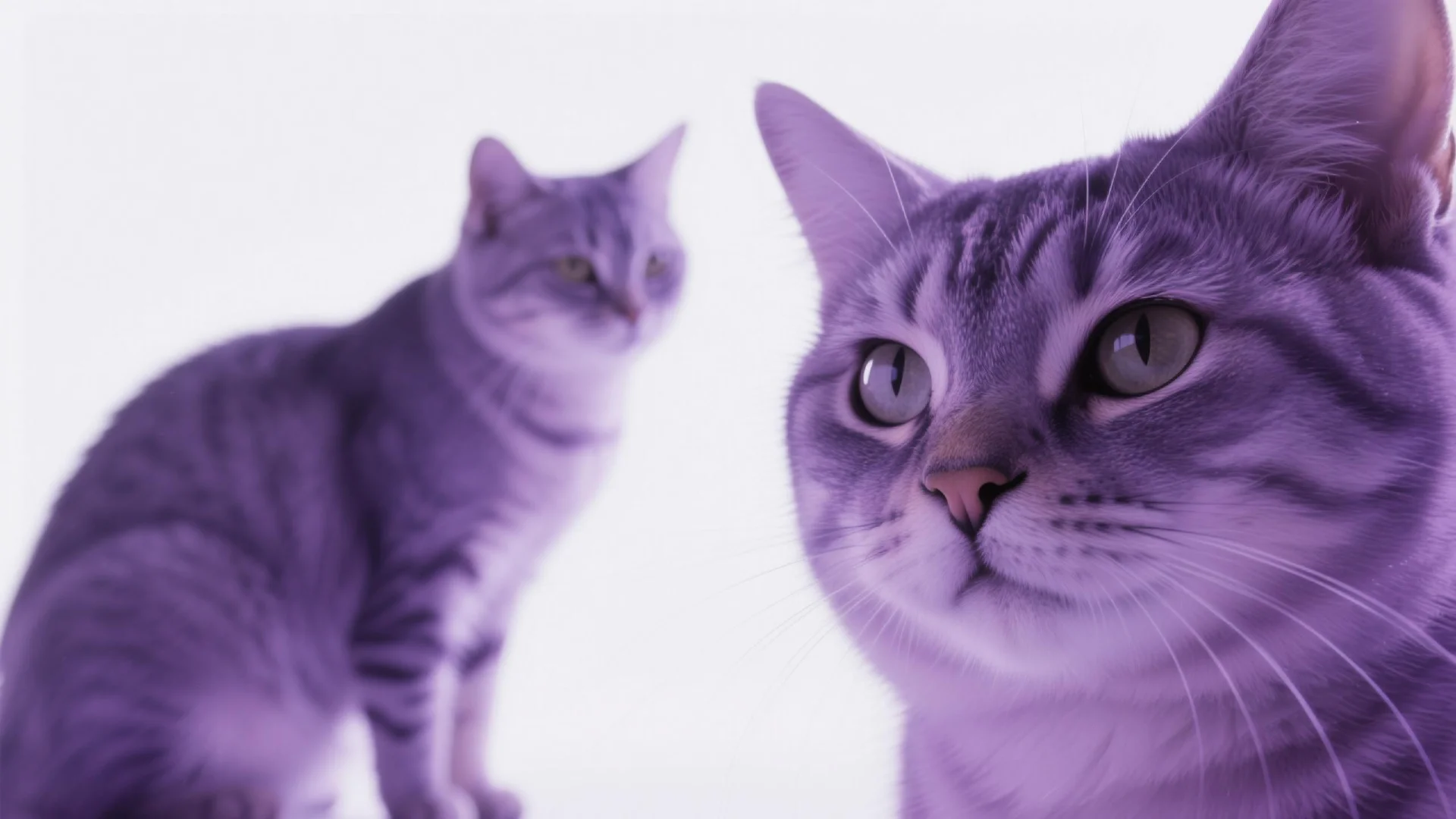
The internet’s “popcat” meme—an irresistibly simple clip of a cat opening and closing its mouth—has migrated from viral culture into on-chain markets. POPCAT is a Solana-based meme token inspired by that clip, and it’s been a beneficiary of Solana’s high-throughput, low-fee environment as retail traders chase community-driven narratives. This article unpacks what POPCAT is, how it works, how to evaluate risks, and how to custody it safely.
What Is POPCAT?
POPCAT is a community-driven meme token built on Solana, leveraging the SPL token standard. Like most meme coins, POPCAT typically has no formal roadmap, product, or cash flows; its value is largely narrative- and community-led. For current market data, circulating supply, and verified contract information, consult reputable listing pages such as the POPCAT profiles on CoinGecko and CoinMarketCap:
- See POPCAT’s market data and contract details on CoinGecko (POPCAT).
- Compare market cap, volume, and exchanges on CoinMarketCap (POPCAT).
For context on the meme itself, Know Your Meme has a lightweight cultural overview of Popcat’s origins and evolution; this helps explain why a simple visual can power considerable social momentum (Popcat meme).
Chain and Token Standard: SPL on Solana
POPCAT is an SPL token, the Solana equivalent of ERC‑20. SPL tokens are governed by Solana’s token program, which defines how tokens are minted, transferred, and managed. If you’re technical or conducting due diligence, start with the official Solana SPL Token Program documentation for the token mechanics and authority model (Solana SPL Token Program).
Solana’s performance characteristics—high throughput, sub‑second finality, and low cost per transaction—make it a natural home for meme token trading at scale. For an overview of Solana’s architecture and performance claims, the official technology page is a good primer (Solana Technology).
How POPCAT Trades: DEX Liquidity and Aggregators
Most POPCAT trading happens on Solana DEXs via liquidity pools, with aggregators routing orders for best price. Two concepts are useful:
-
Raydium and AMM pools: Liquidity providers deposit token pairs (e.g., POPCAT/SOL or POPCAT/USDC) into automated market makers, earning fees from trades. This introduces impermanent loss and pool dynamics worth understanding (Raydium Docs).
-
Jupiter aggregator: Traders often use Jupiter, which scans across multiple DEXs and routes orders to minimize slippage. It’s a common interface for swapping SPL tokens, including meme assets (Jupiter Docs).
Because meme pairs can be thin or highly volatile, always check slippage settings and verify you’re interacting with the authentic contract address (again, cross‑check on CoinGecko or CoinMarketCap).
Why POPCAT Took Off: Community, Virality, and Solana’s Liquidity
Meme tokens thrive on attention. POPCAT benefited from:
- Viral familiarity: The popcat meme has a long tail of recognition, making it easy to rally communities (Popcat meme).
- Frictionless trading: Solana’s low fees and liquid routing ease rapid speculation (Solana Technology; Jupiter Docs).
- Social flywheels: Retweets, Telegram groups, and influencer mentions can drive volume spikes without fundamental reasons.
Across 2024 and into 2025, Solana has repeatedly seen surges in on‑chain volume tied to meme trading, supported by retail-friendly UX and aggregator infrastructure. Industry analysts have documented how these flows translate into elevated on‑chain activity on Solana during meme cycles (Messari market research and ecosystem reports are a good starting point to understand the broader context, even if not POPCAT‑specific: Electric Capital Developer Report).
Tokenomics and On‑Chain Checks
Memecoins often have simple or opaque tokenomics. Before buying, verify:
- Contract address: Confirm via reputable listings like CoinGecko (POPCAT) or CoinMarketCap (POPCAT).
- Mint/freeze authorities: SPL tokens can include authorities that allow minting or freezing. Inspect these properties in block explorers and token security tools.
- Liquidity: Check whether liquidity is locked or burned, and which pools hold most liquidity. Thin liquidity increases slippage and price manipulation risk.
The Solana community often uses tools like RugCheck to quickly assess SPL contract settings, authorities, and common red flags (RugCheck).
Key Risks to Consider
Meme tokens are high‑risk and can move rapidly on sentiment and liquidity. Common pitfalls include:
- Contract tampering: Unrenounced mint or freeze authorities can introduce supply or transfer risks (Solana SPL Token Program).
- Honeypots and spoofed contracts: Fake tokens may share symbol names but have different addresses.
- High slippage: Thin order books can cause poor execution, especially during volatile spikes.
- Social engineering: Fake airdrops, drainer links, and impersonation in Telegram/Discord are rampant. The U.S. FTC’s guidance on crypto scams is a useful refresher (FTC: Cryptocurrency basics and scams).
No section here is investment advice. Always do your own research and understand that meme assets can go to zero.
How to Buy POPCAT (Safely)
- Set up a Solana wallet and fund it with SOL for network fees.
- Verify the POPCAT contract address via CoinGecko or CoinMarketCap listings.
- Use a reputable DEX or aggregator (e.g., Jupiter) and start with small test transactions (Jupiter Docs).
- Double‑check slippage, route, and minimum received before confirming.
- Monitor liquidity pools and contract authorities using RugCheck and block explorers (RugCheck).
Storing POPCAT: Self‑Custody and OneKey
If you decide to hold POPCAT rather than day‑trade it, protecting your private keys is paramount. A hardware wallet keeps private keys isolated from your online devices, reducing the risk from malware and drainer scripts. OneKey is an open‑source, multi‑chain hardware wallet with Solana support. With OneKey, you can:
- Generate and store seed phrases offline in a secure element.
- Confirm transactions on a dedicated device screen before signing.
- Manage SPL tokens via the OneKey App while maintaining offline key security.
This setup is particularly relevant for meme tokens, where phishing and approval drainers are common; isolating keys can meaningfully reduce attack surface. If you’re participating in Solana’s on‑chain meme ecosystem, consider using OneKey to harden your operational security while you trade and custody tokens.
Final Thoughts
POPCAT exemplifies how internet culture and crypto markets intersect: simple memes can become tradable narratives overnight. On Solana, cheap and fast transactions amplify that effect. If you engage, do so with rigorous address verification, sane slippage settings, and a security setup that resists social engineering and malware. POPCAT’s story is entertaining—but your key management should be anything but.
References and further reading:
- Solana SPL Token Program
- Solana Technology
- CoinGecko (POPCAT)
- CoinMarketCap (POPCAT)
- Raydium Docs
- Jupiter Docs
- RugCheck
- FTC: Cryptocurrency basics and scams
- Electric Capital Developer Report